

Decorate a new home by planning your layout, defining your style, and furnishing one room at a time.
Moving into a new home is a thrilling milestone, offering a blank canvas to express your personality. However, that empty space can also feel incredibly daunting. As an interior design enthusiast with years of experience helping people transform houses into homes, I understand the paralysis that can set in.
This comprehensive guide is designed to walk you through a clear, manageable process for how to decorate a new home, turning an overwhelming task into an exciting creative journey.
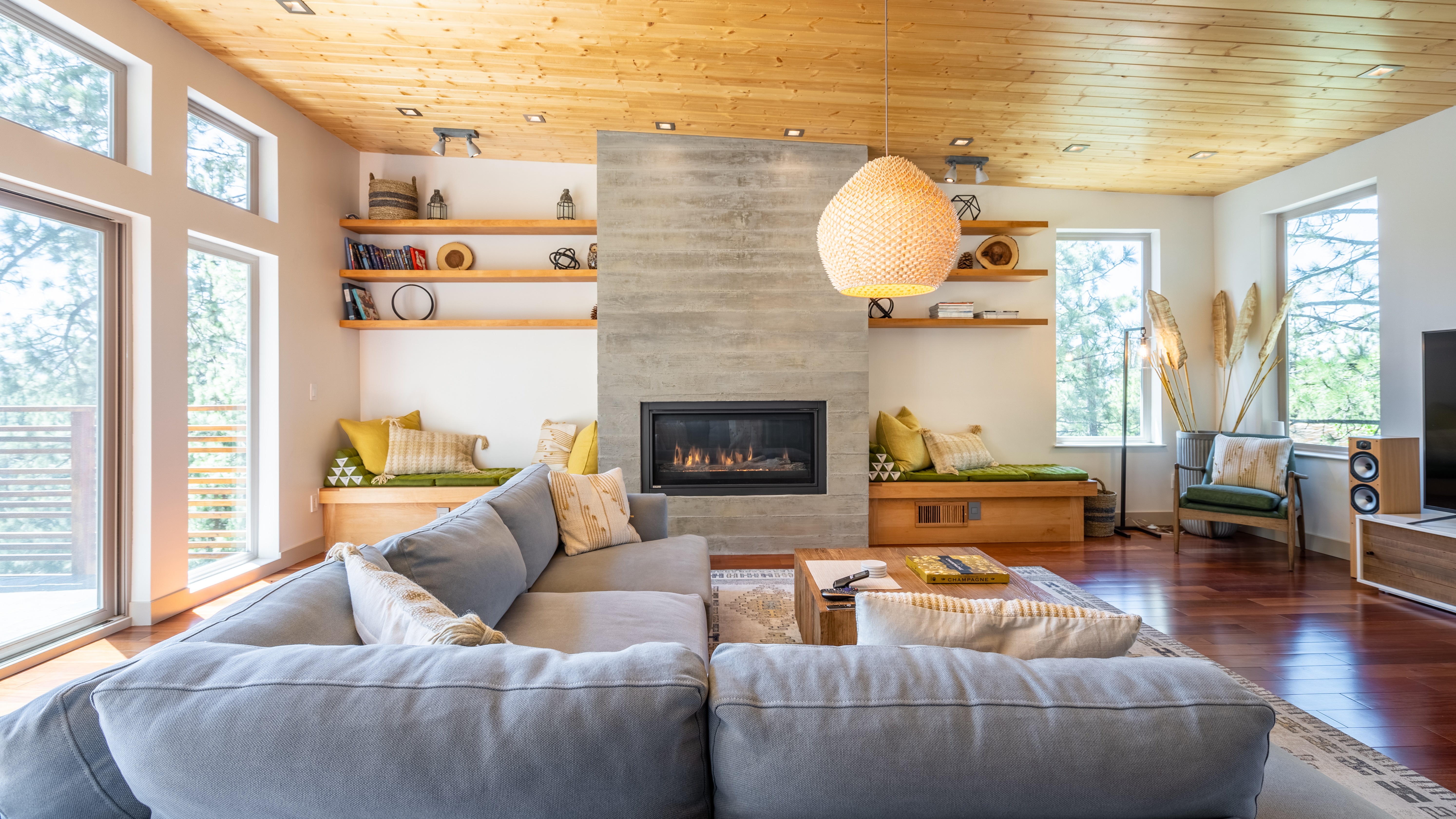
Start with the Essentials: Plan Before You Purchase
The most common mistake people make when they decorate a new home is rushing to buy furniture. Excitement takes over, and soon you have a collection of items that don’t quite fit the space or your lifestyle. To avoid this, take a step back and focus on planning. A solid plan is the foundation of a beautifully decorated home and will save you time, money, and frustration down the road.
Measure Everything and Create a Floor Plan
Before you even think about shopping, grab a measuring tape. Measure the dimensions of each room, including the locations of windows, doors, and electrical outlets. You can sketch a simple floor plan on paper or use one of the many free online tools available. This visual map will help you understand the scale of your space and determine what size furniture will fit comfortably without overcrowding the room.
Define Your Personal Style
Do you gravitate toward modern minimalism, cozy farmhouse, or eclectic bohemian? If you are unsure, spend some time gathering inspiration. Create a mood board on a platform like Pinterest or simply save images that you love. Look for common themes in the colors, textures, and furniture shapes you are drawn to. Defining your style will provide a clear direction and ensure your home feels cohesive.
Set a Realistic Budget
Decorating a new home can be expensive, but it does not have to break the bank. Determine how much you are willing to spend on the entire project, then break it down by room or by priority. Be honest about your financial limits. A well-defined budget helps you make smart decisions, such as splurging on a high-quality sofa while saving on smaller accent pieces.
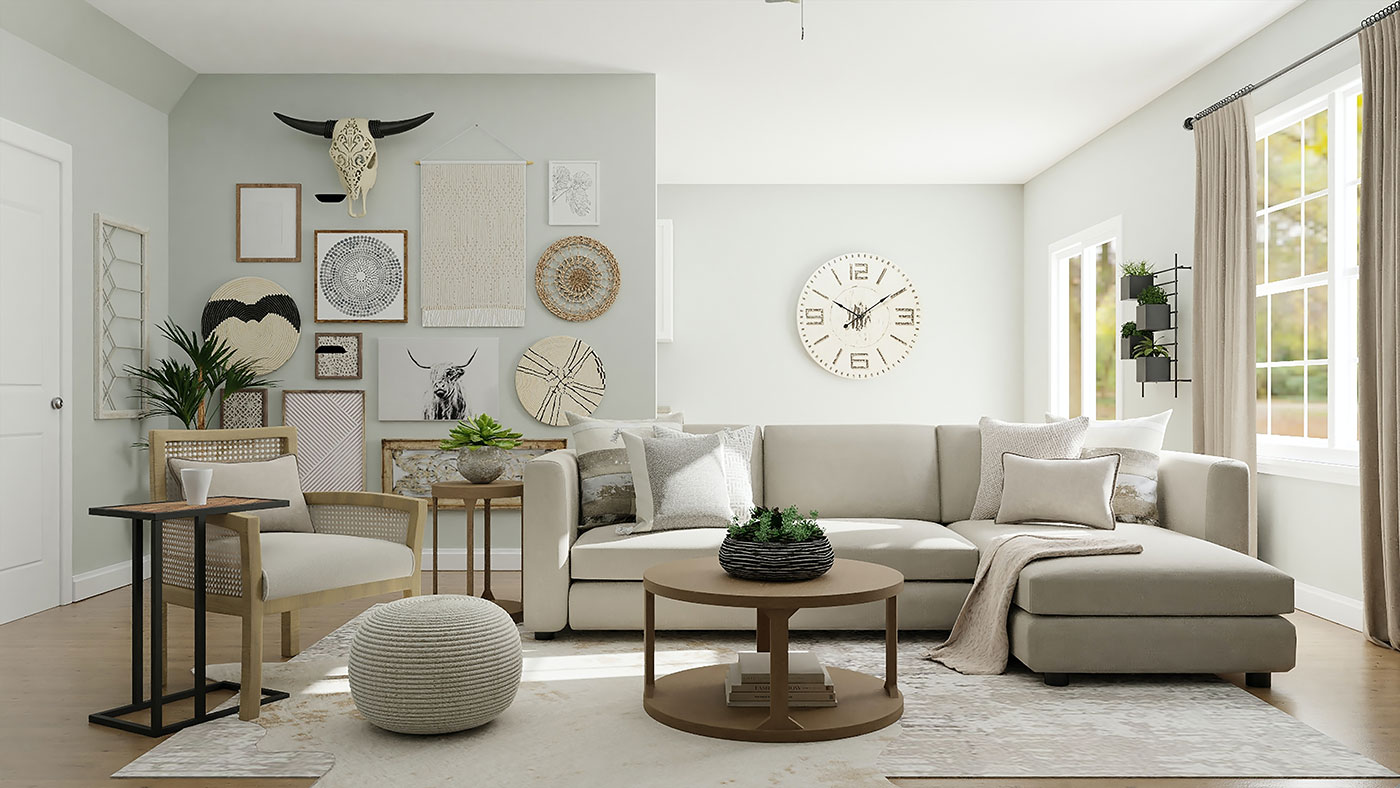
Build Your Foundation: Walls, Floors, and Lighting
With a plan in place, you can turn your attention to the core elements that define the atmosphere of your home. The colors on your walls, the texture of your floors, and the quality of your lighting are the backdrop for everything else. Getting these foundational elements right is a critical step in learning how to decorate a new home effectively.
Choosing the Right Paint Colors
Paint is one of the most affordable and impactful ways to transform a space. Before committing, always test paint samples on your walls. Observe how the colors look at different times of day, as natural and artificial light can dramatically alter their appearance. Consider a whole-house color palette for a cohesive feel, often using a neutral base with accent colors in different rooms. The 60-30-10 rule is a helpful guideline: 60% of the room should be a dominant color (walls), 30% a secondary color (furniture), and 10% an accent color (pillows, art).
Don’t Forget About Flooring
Your flooring is a major design element. If you have the option to choose new flooring, consider both aesthetics and practicality. Hardwood floors are timeless and durable, while area rugs can add warmth, texture, and color. When placing a rug in a living room, make sure at least the front legs of your main furniture pieces are on it to properly anchor the space.
Layer Your Lighting
Good lighting is essential for both function and mood. A single overhead fixture is rarely enough. Aim to have at least three sources of light in each room:
- Ambient Lighting: This is the main, overall light source, like a chandelier or recessed lighting.
- Task Lighting: This is focused light for specific activities, such as a reading lamp by a chair or under-cabinet lighting in the kitchen.
- Accent Lighting: This highlights specific features, like a piece of art or an architectural detail.
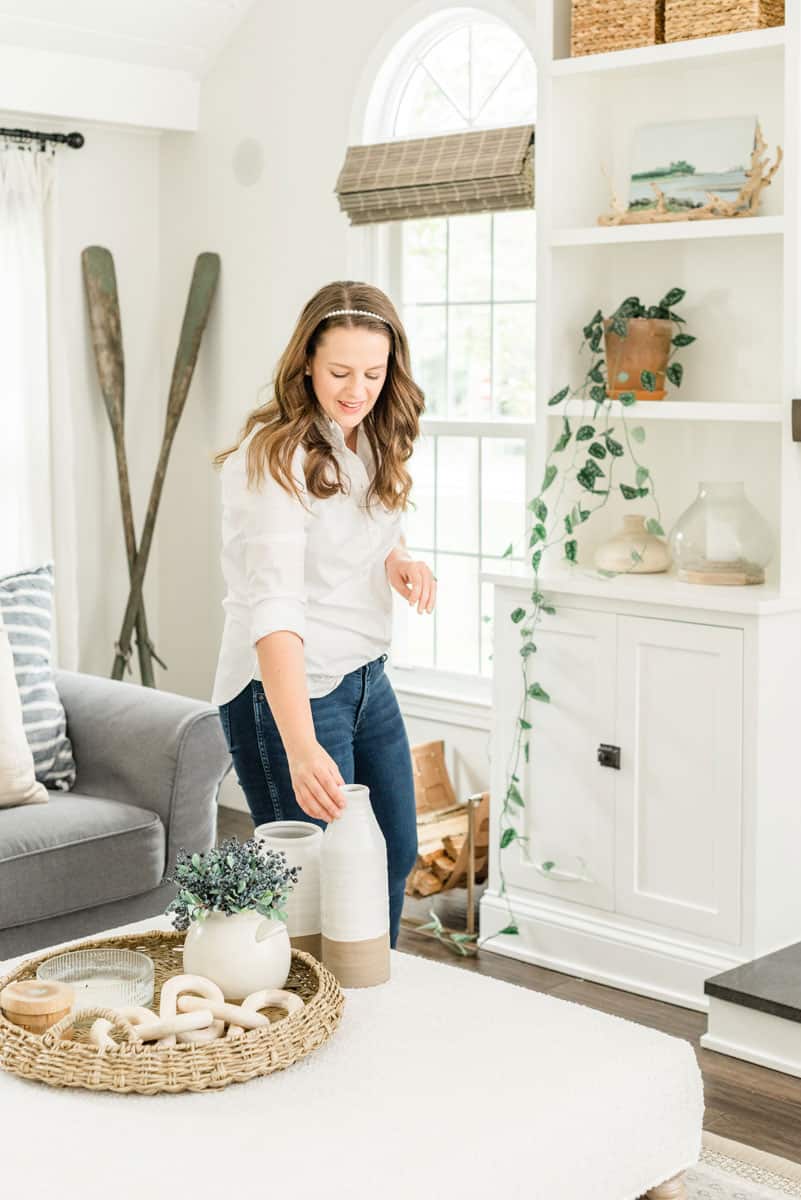
Furnish Room by Room: A Strategic Approach
Once your foundation is set, the real fun begins: furnishing your home. The key to not feeling overwhelmed is to tackle it systematically. Resisting the urge to furnish every room at once allows you to make more thoughtful decisions. This methodical approach is the best way how to decorate a new home without stress.
Prioritize High-Traffic Areas
Start with the rooms you will use the most. For most people, this means the living room, primary bedroom, and kitchen. Focusing your energy and budget on these spaces first will make your new house feel like home much faster. The guest room or home office can wait. From personal experience, living in the space for a few weeks reveals how you actually use it, leading to better furniture choices.
Invest in Anchor Pieces First
In each room, identify the most important, or “anchor,” piece of furniture. In the living room, it is the sofa. In the bedroom, it is the bed. In the dining room, it is the table. Invest the largest portion of your budget in these high-use items. A quality sofa will last for years, while a trendy accent chair can be replaced more easily as your style evolves.
Mix High and Low-Priced Items
A designer-quality look does not mean every item has to be expensive. The secret to a well-curated home is mixing investment pieces with more affordable finds. Splurge on your sofa and mattress, but find deals on side tables, decorative pillows, and accessories at flea markets, secondhand stores, or budget-friendly retailers. This creates a space that feels collected over time rather than purchased from a single showroom.

Add Personality with Art and Accessories
With the main furniture in place, it is time for the final layer that truly makes a house your own. Art, textiles, and personal objects tell your story and infuse the space with character. This is where you can truly have fun and experiment with how to decorate a new home to reflect your unique identity.
The Art of Hanging Artwork
Art can bring life and color to a room, but placement is key. A common mistake is hanging art too high. The center of the piece should be at eye level, which is typically around 57 to 60 inches from the floor. When hanging art above a sofa, it should be about two-thirds the width of the sofa and hang 6-8 inches above the back.
Incorporate Textiles for Warmth
Textiles are a simple way to add softness, texture, and color. Think about throw blankets, decorative pillows, curtains, and rugs. Curtains can make a room feel taller and more finished; hang the rod several inches above the window frame and extend it beyond the sides to make the window appear larger.
Bring in Natural Elements
Plants and other natural elements like wood or stone can make a space feel fresh and alive. Even if you do not have a green thumb, there are plenty of low-maintenance houseplants that can thrive indoors. A vase of fresh flowers, a bowl of fruit, or a piece of driftwood can also add a beautiful, organic touch.
Common Decorating Mistakes to Avoid
Knowing how to decorate a new home is just as much about what not to do as it is about what to do. Being aware of common pitfalls can help you create a more professional and comfortable living space. Avoiding these errors will set you on the path to a beautifully curated home.
Buying Everything from One Store
Creating a home with character means curating items from various sources. Buying a complete matching set of furniture can make your home look like a showroom catalog—impersonal and bland. Mix styles, eras, and price points to create a unique space that reflects your personality.
Pushing All Furniture Against the Walls
It is a common instinct to push all furniture against the walls to make a room feel bigger, but this often has the opposite effect. Pulling your sofa and chairs away from the walls, even by just a few inches, creates a more intimate and conversational seating area. This allows for better traffic flow and makes the room feel more spacious.
Forgetting About Scale and Proportion
Pay attention to the size of your furniture in relation to the room and to other pieces. A tiny rug in a large living room will look out of place, while an oversized sofa can overwhelm a small space. Before buying, use painter’s tape on the floor to outline the dimensions of a piece of furniture to see how it will fit.
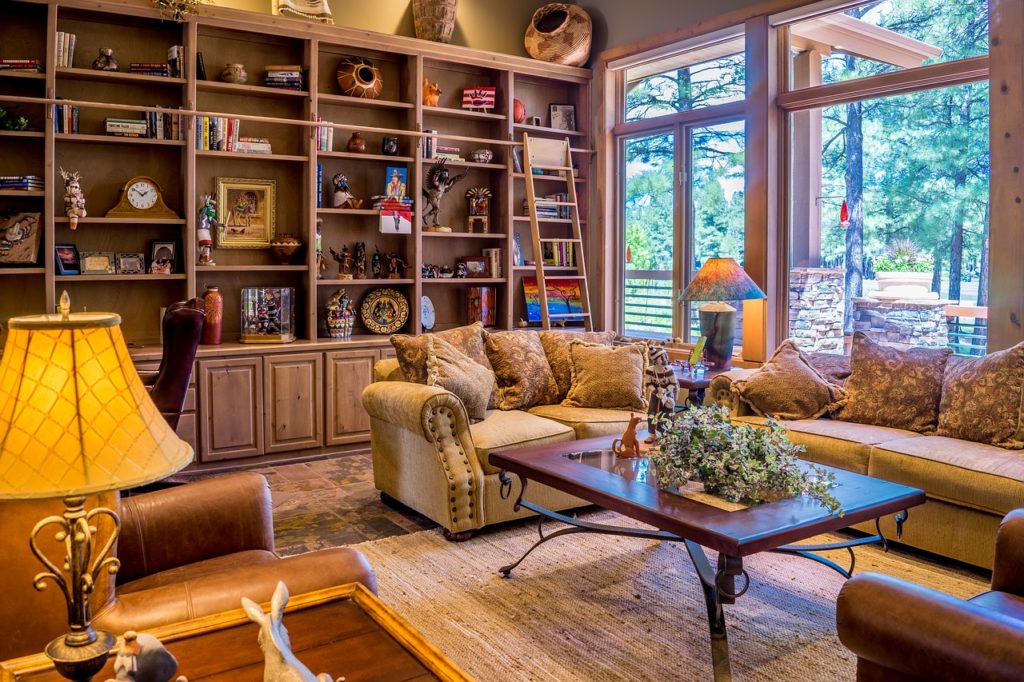
Frequently Asked Questions of how to decorate a new home
What should I decorate first in a new house?
You should start by decorating the rooms you use most frequently, such as the living room and the primary bedroom. Getting these essential spaces comfortable and functional will make the house feel like home much more quickly.
How can I decorate my new home on a tight budget?
Focus on high-impact, low-cost changes like a fresh coat of paint. Shop at thrift stores and flea markets for unique furniture, and learn to DIY small projects. Prioritize spending on key pieces like a sofa and save on accessories.
How do I choose a color scheme for my whole house?
Select a neutral color to use as the primary color throughout the main living areas to create a cohesive flow. Then, choose two to three accent colors that you can use in varying amounts in different rooms through pillows, art, and accessories.
Should I hire an interior designer?
If you have a large budget or feel completely overwhelmed by the process, hiring an interior designer can be a great investment. They can help you avoid costly mistakes and create a professional, cohesive look. However, with careful planning, you can certainly achieve a beautiful result on your own.
How long does it take to decorate a new home?
Decorating a home is a marathon, not a sprint. It is best to take your time and let your home evolve as you live in it. Rushing the process often leads to regretful purchases, so enjoy the journey of slowly curating a space you love.
Conclusion
The process of how to decorate a new home is a deeply personal journey of creating a space that supports and reflects your lifestyle. By starting with a solid plan, building a strong foundation, and furnishing your space thoughtfully over time, you can transform an empty house into a cherished home. Remember to focus on functionality first, invest in quality anchor pieces, and let your personality shine through in the final details.
Now that you are equipped with these steps, you can approach your new home with confidence. Start by creating a mood board for your most-used room and see where your inspiration takes you. We would love to hear about your decorating journey in the comments below
1 thought on “How To Decorate A New Home: Simple Tips That Work”