

Raising a home typically costs $80,000 to $250,000 all-in, sometimes more.
If you are asking how much does it cost to raise a home, you are likely weighing safety, code compliance, and long-term value. I have managed and reviewed dozens of lift projects across flood zones and repair jobs.
In this guide, I break down the full price picture, what drives it, and how to budget with confidence. You will see real numbers, clear steps, and hard-won tips you can use right away.

What it means to raise a home
Raising a home lifts the structure off its current foundation. Crews set steel beams, jack the house, and support it on cribbing. A new or extended foundation is then built to the target height. Finally, utilities, stairs, decks, and finishes are restored.
People raise homes for flood protection, foundation repair, or to add space. It is a complex job with tight safety rules. It also changes insurance and resale value.

How much does it cost to raise a home? Key factors and price ranges
Let’s answer the core question: how much does it cost to raise a home? Most full projects land between $80,000 and $250,000. Larger or complex homes can reach $300,000 or more. Small, single-story homes on simple sites can come in under $80,000.
Typical ranges I see:
- Lift only, no new foundation: $15,000 to $60,000
- Lift plus new or extended foundation: $40,000 to $120,000
- Complete project with utilities, stairs, decks, finishes, and permits: $80,000 to $250,000+
What drives the price:
- Size and weight. Two-story, masonry, or heavy finishes cost more to lift.
- Foundation type. Slab-on-grade and masonry basements are harder than wood-pier or crawlspace.
- Lift height. Lifting 2 to 4 feet costs less than lifting 8 to 10 feet.
- Site access. Tight lots, trees, and sloped yards need more staging and time.
- Soil and water table. Poor soils need deeper footings or piles.
- Utilities and finishes. Gas, sewer, HVAC, stairs, decks, and siding add cost.
- Location and labor market. Coastal and high-cost metros price higher.
- Engineering and permits. Flood zone and seismic zones add design steps.
How much does it cost to raise a home if you only need flood compliance? In many flood zones, final budgets run $120,000 to $220,000 for a typical 1,600 to 2,000 square foot home. How much does it cost to raise a home for a small repair lift? It may be $20,000 to $60,000 if you are correcting settlement with minimal finish work. The phrase how much does it cost to raise a home always depends on the combo of size, height, site, and finish scope.
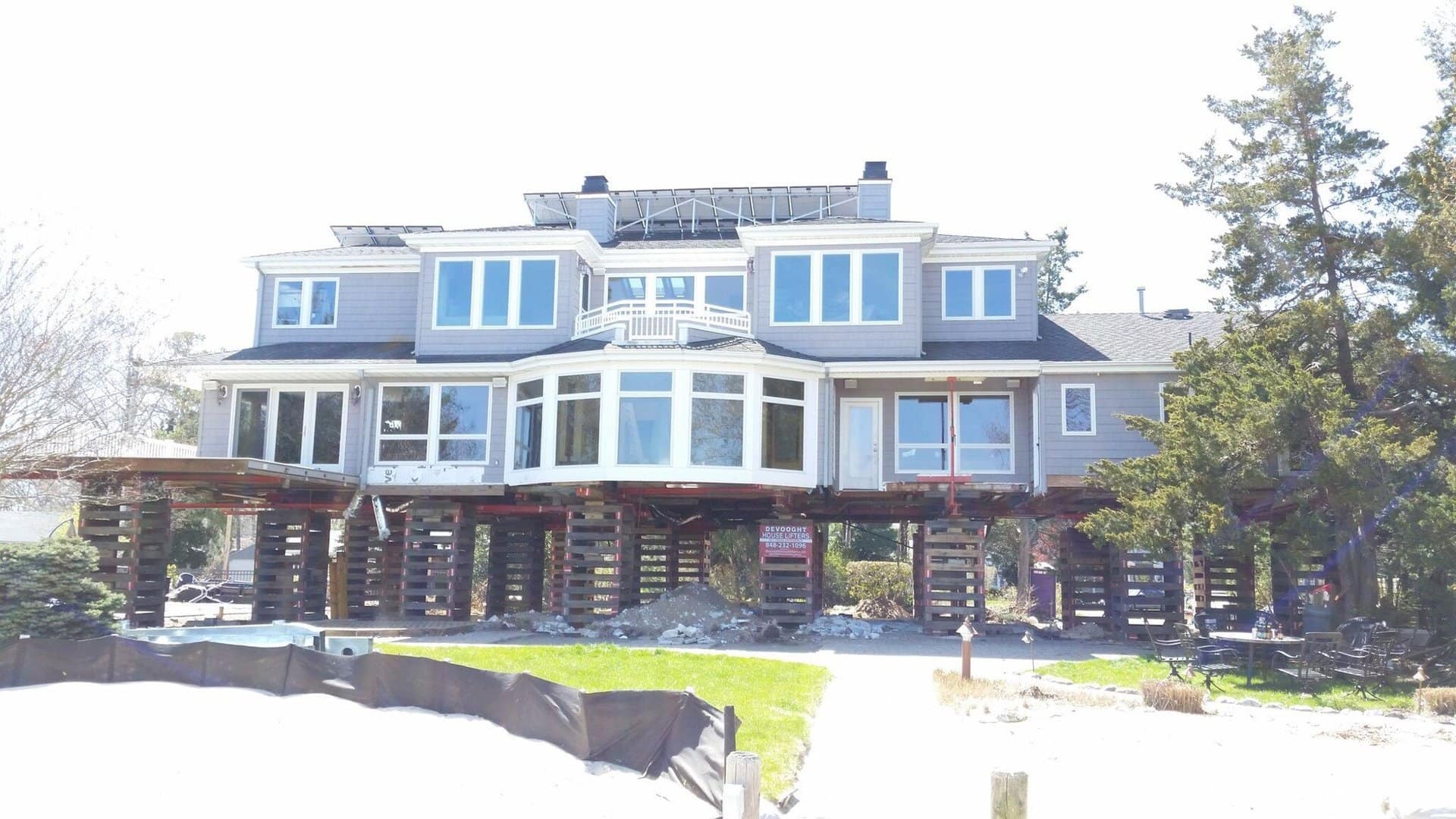
Detailed cost breakdown
When you ask how much does it cost to raise a home, think in line items. This helps you compare bids and avoid surprises.
- Engineering and surveying: $3,000 to $12,000
Structural plans, elevation certificate, and soil review where needed. - Permits and inspections: $1,000 to $8,000
Building, floodplain, right-of-way, and utility permits. - House lifting contractor: $15,000 to $80,000
Beams, jacks, cribbing, rigging, and crew time. - New or extended foundation: $25,000 to $120,000
Footings, stem walls, block, piles, grade beams, anchor bolts. - Utility disconnects and reconnects: $5,000 to $25,000
Gas, electric, water, sewer or septic, HVAC lines, and venting. - Stairs, landings, and decks: $8,000 to $40,000
Code-compliant stairs with rails; wheelchair ramps where needed. - Framing, siding, and patching: $5,000 to $30,000
New skirts, siding ties, soffits, vents, and weatherproofing. - Interior repairs and trim: $3,000 to $25,000
Drywall cracks, flooring, paint, door and window tuning. - Site work and access: $2,000 to $20,000
Tree work, temporary drives, crane access, grading, drainage. - Temporary housing or storage: $0 to $10,000
Varies by region and project length. - Contingency: 10% to 15% of total
Covers hidden rot, utility surprises, or code upgrades.
Note: If piles or deep foundations are required, add $20,000 to $80,000 depending on count and depth.

Real-world examples and sample budgets
I will share three sample budgets I have seen on projects I managed or reviewed. These are composite examples. Your numbers will vary by location and scope.
- 1,200 sq ft single-story bungalow on crawlspace, lift 4 feet
- Engineering and permits: $6,000
- Lift and set: $24,000
- Extend foundation walls: $28,000
- Utilities reconnection: $9,000
- Stairs and rails: $10,000
- Patching and finishes: $6,000
- Contingency: $8,000
Estimated total: $91,000
- 1,900 sq ft two-story home on slab, lift 8 feet in flood zone
- Engineering and permits: $10,000
- Lift and set: $45,000
- New elevated foundation with piles: $85,000
- Utilities and HVAC modifications: $18,000
- Stairs, decks, and landings: $22,000
- Siding and interior patching: $12,000
- Contingency: $16,000
Estimated total: $208,000
- 2,600 sq ft coastal home, complex access, masonry chimney, lift 9 feet
- Engineering and permits: $12,000
- Lift and set with crane assist: $60,000
- Deep piles and grade beams: $110,000
- Utilities and septic modifications: $22,000
- Large decks and exterior stairs: $35,000
- Masonry and finish repairs: $18,000
- Contingency: $20,000
Estimated total: $277,000
Personal note: In New Jersey flood zones, many 1,600 to 2,200 sq ft homes I tracked finished between $150,000 and $230,000. Along the Gulf Coast, corrosion, piles, and long travel times pushed several projects above $250,000.

The step-by-step process and timeline
How much does it cost to raise a home is tied to process. Steps add time and risk, which add money.
Typical steps:
- Site visit and feasibility
Contractor checks access, weight, and lift path. - Engineering and scope
Plans, elevations, utility strategy, and foundation design. - Permits and scheduling
Allow lead time for floodplain and utility approvals. - Prep and disconnect
Utilities off, framing braced, beams slid in. - Lift and crib
House rises a few inches at a time. Crew levels each round. - Build new or taller foundation
Footings, walls, piles, bolts, and waterproofing. - Lower and set
House lands on new anchors and gets re-leveled. - Reconnect and finish
Utilities, stairs, siding ties, patching, and paint. - Final inspections and elevation certificate
You get flood and code documents for insurance and resale.
Timeframe: 4 to 12 weeks for most projects. Complex jobs can run longer.

Permits, codes, and insurance
Permits are not optional. Plan for building, zoning, and floodplain permits. In flood zones, you need an elevation certificate and often must meet the base flood elevation, plus any local freeboard.
Insurance details:
- National flood insurance can drop after a compliant elevation.
- Some policies cover limited code upgrades. Ask your agent.
- Contractor should carry general liability, workers’ comp, and rigging coverage.
- Ask for a waiver of subrogation and an additional insured endorsement.
How much does it cost to raise a home when codes require piles or freeboard? Expect a jump. Extra height and deep foundations add both material and labor.

Financing, grants, and ways to save
Budget relief options:
- FEMA ICC funds
Up to $30,000 for flood mitigation if your home is substantially damaged and you carry NFIP. - Hazard mitigation and state grants
Local programs sometimes cover part of elevation work. - SBA disaster loans
Low-interest loans for homeowners in declared areas. - Home equity or renovation loans
Useful when grants do not apply.
Ways to save without cutting corners:
- Keep the footprint and stairs simple. Complex decks add cost fast.
- Group work in one permit cycle to reduce re-mobilization.
- Choose durable, low-maintenance exterior materials.
- Get three detailed bids with the same scope and specs.
- Hold a 10% to 15% contingency. It prevents costly stop-start delays.
If you ask how much does it cost to raise a home with grant help, your out-of-pocket can drop by five figures. Still plan for cash flow. Grants often reimburse after work and inspections.

Common mistakes and how to avoid them
I see the same errors on bid day and on site. They cost time and money.
- Picking on price alone
Verify licenses, insurance, and lift experience with references. - Vague scopes
Demand a line-item bid. Tie pay to milestones and inspections. - Ignoring utilities
Budget for HVAC, vents, gas risers, sewer lines, and meter moves. - Underestimating stairs and access
Code stairs, rails, and landings are not cheap or optional. - No contingency
Hidden rot and utility surprises are common. Plan for them.
How much does it cost to raise a home when plans are vague? Almost always more. Clarity is the cheapest tool on your job.
Is raising a home worth it? ROI and long-term value
Value comes from safety, compliance, and lower risk. In flood zones, many homeowners see meaningful cuts in annual flood premiums after elevation. The resale pool grows when buyers see a compliant elevation certificate.
Think in avoided losses. One major flood can exceed the cost to elevate. How much does it cost to raise a home is only half the math. The other half is what you will not pay after the next storm.
Frequently Asked Questions of how much does it cost to raise a home
How much does it cost to raise a home per square foot?
For lift-only, many projects run $10 to $30 per square foot. Full projects with new foundations and finishes can reach $60 to $150 per square foot.
How long does a home elevation take?
Most projects take 4 to 12 weeks from start to finish. Permitting and utility scheduling often drive the timeline.
Can I live in the house while it is being raised?
Usually no. Power and gas are off, and the structure is on cribbing. Plan for temporary housing for safety and comfort.
Will raising my home lower my flood insurance?
Yes, if you meet or exceed the required elevation. Premiums often drop after you provide a new elevation certificate.
Do all homes need piles when raised?
No. Many use extended block or concrete walls. Poor soils, high water tables, or coastal exposure often require piles.
Does raising a brick house cost more than wood?
Usually yes. Masonry is heavier and harder to brace. It also needs more careful cracking and patching control.
What permits do I need to raise my home?
Expect building, zoning, floodplain, and utility permits. In flood zones, you also need an elevation certificate and final inspections.
Conclusion
Raising a home is a big move, but it can be the smartest one you make. Now you know how much does it cost to raise a home, what drives the price, and how to budget with fewer surprises. Use clear scopes, seasoned contractors, and a real contingency to protect your plans.
If you are ready, start with an engineer’s visit and three comparable bids this week. Subscribe for more homeowner guides, or leave a comment with your location and house type, and I will suggest a starting budget.