

A detached single-family home is a stand-alone house on its own lot.
If you’re wondering what is single family home detached, you’re in the right place. I’ve helped buyers compare home types for years, and I know where the fine print hides. This guide explains what is single family home detached in plain English, with real examples, data-backed notes, and useful tips you can use today.

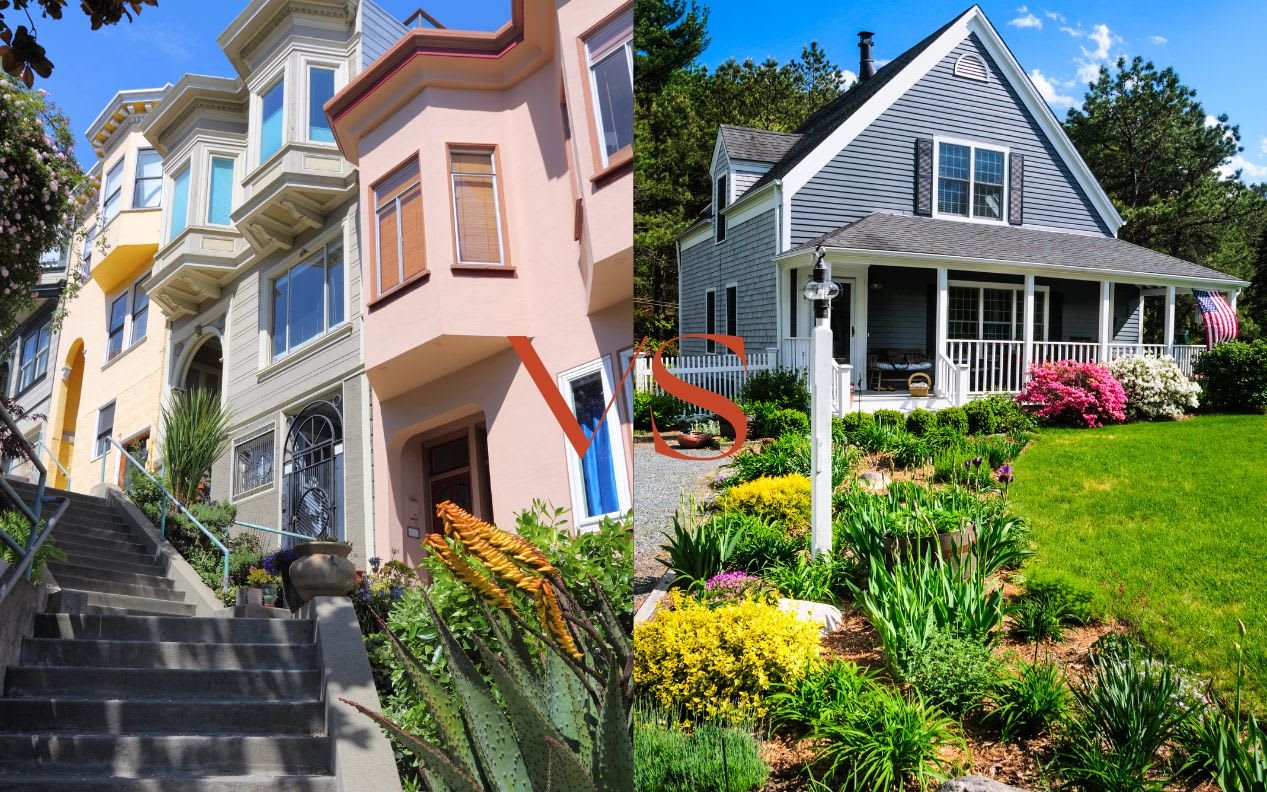
Source: sofi.com
Understanding What Is Single Family Home Detached: Definition and Core Features
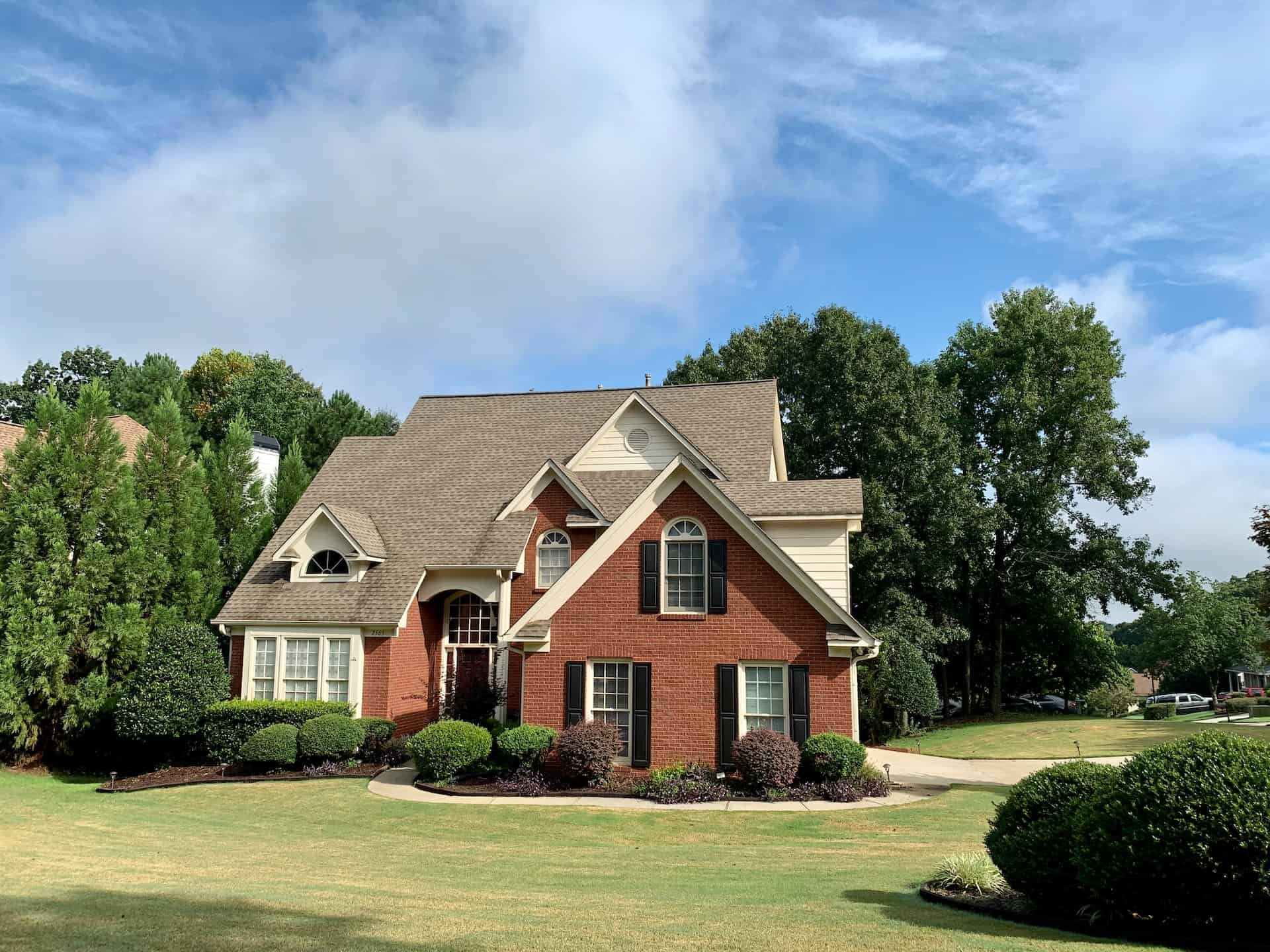
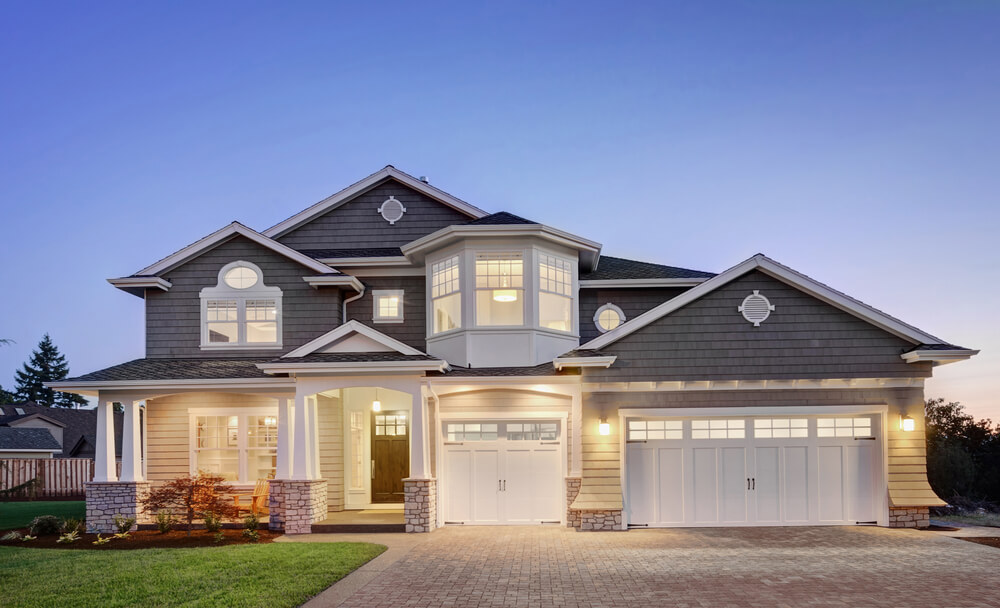
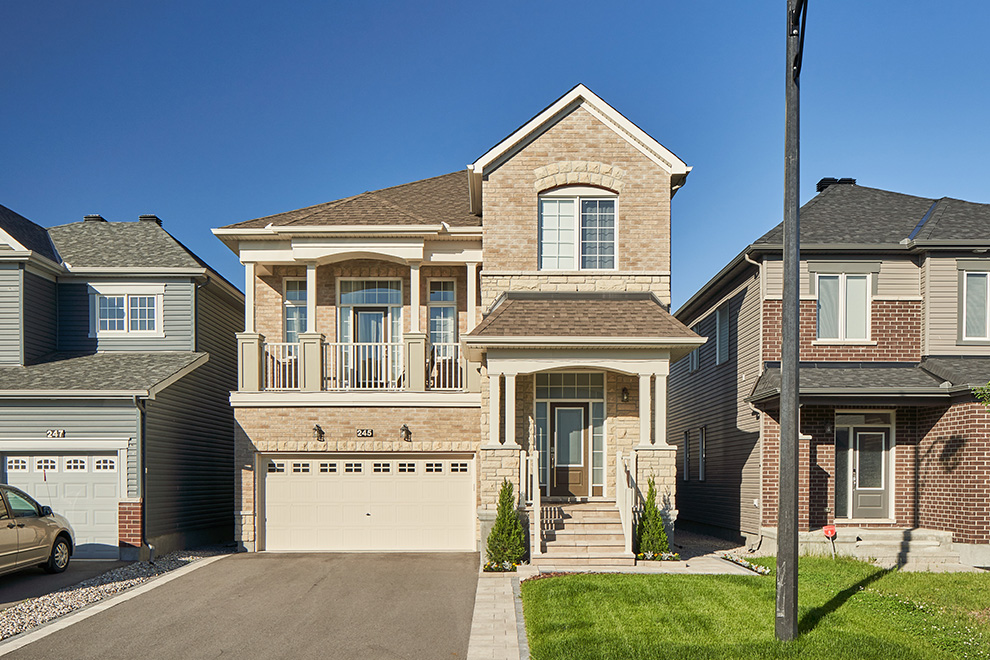
When people ask what is single family home detached, the short definition is simple. It is a free-standing home on its own parcel. It has no shared walls, ceilings, or floors with other homes. It is built for one household, not many.
By common housing standards, it is a one-unit structure with open space on all sides. The land around it is part of the property. Setbacks, lot lines, and yards matter. You own the walls, roof, and the ground they sit on.
A quick way to test what is single family home detached at a showing:
- Look for no shared walls with neighbors.
- Check the lot map for a single, private parcel.
- Confirm the home is not part of a duplex or townhouse row.
Source: exprealty.com
How It Differs From Other Home Types
It is easy to mix up what is single family home detached with other homes. Here is how it compares.
Townhouse
- Shares one or two walls with neighbors.
- Has its own entrance and often a small yard.
- Often part of a homeowners association.
Duplex or twin home
- Two homes in one structure.
- Each has its own entrance.
- A shared wall divides the two units.
Condo
- Owns the interior of the unit.
- Shares walls and common areas.
- Pays monthly dues for shared spaces.
Manufactured or mobile home
- Built off-site and moved to the lot.
- May lease the land in a park.
- Different rules for loans and value.
If your goal is privacy, space, and control, a detached home fits. If you want lower upkeep, an attached home may be better.
Source: waverlyhomes.ca
Why People Choose It: Key Pros and Cons
A fair look at what is single family home detached must weigh the trade-offs. Here are the main points I see with buyers.
Pros
- More privacy and less noise due to no shared walls.
- More control over the property, yard, and upgrades.
- Often better for pets, gardens, and outdoor living.
- Strong long-term demand in many areas.
Cons
- Higher upkeep since you own the whole structure and lot.
- Often higher purchase price and property taxes.
- Utilities can cost more due to size and yard needs.
- Yard care and repairs take time and money.
I’ve had clients who love doing projects each weekend. They thrive in a detached home. Others prefer a lock-and-leave condo. Be honest about your lifestyle.
Source: minto.com
Costs and Value Drivers to Expect
What is single family home detached without a cost lens? Budget matters. Plan for both the purchase and the upkeep.
Common costs
- Mortgage, taxes, and home insurance.
- Utilities: water, power, gas, trash.
- Repairs and maintenance for roof, HVAC, and yard.
- Possible HOA dues if the home is in a planned unit community.
Value drivers
* Location and school district.
- Lot size, shape, and privacy.
- Age and condition of the roof, windows, and systems.
- Local zoning and the ability to add space.
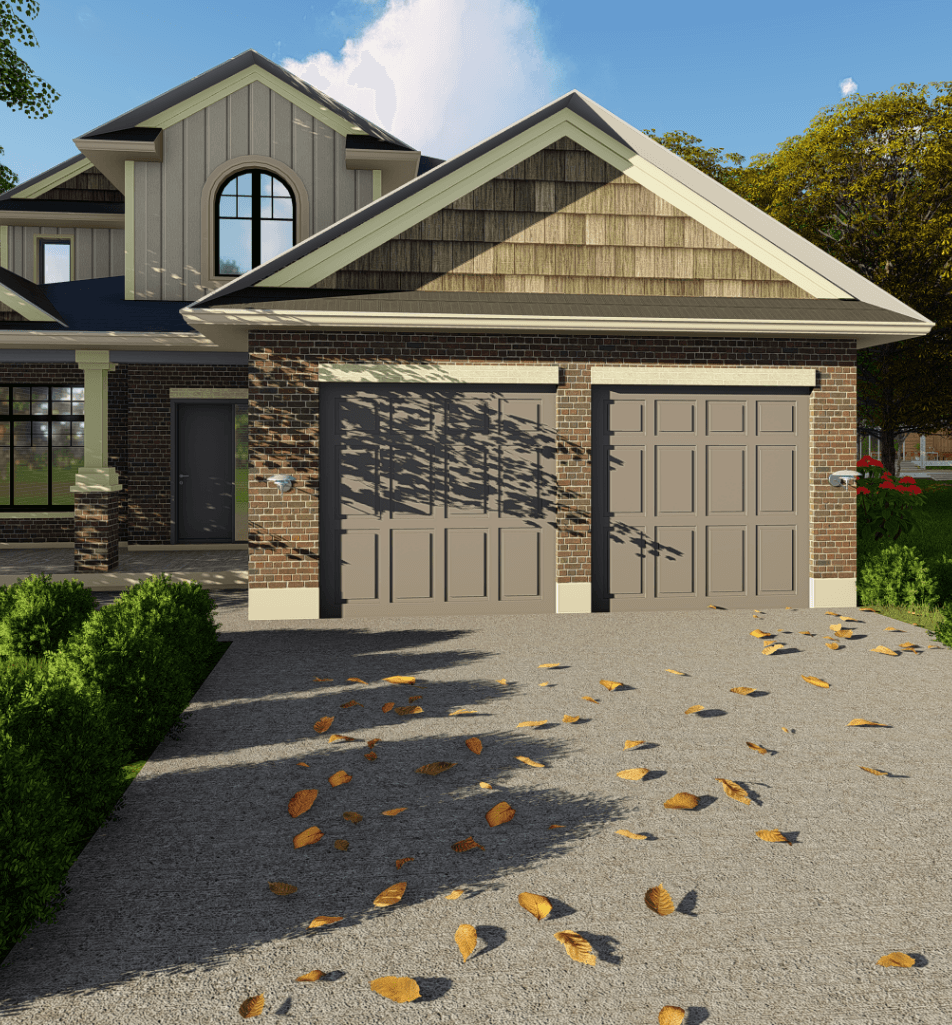
In my experience, clean curb appeal and a good roof earn real returns. Buyers pay for peace of mind and a yard that feels useful.
Source: waverlyhomes.ca
Zoning, Codes, and Financing Basics
When you think about what is single family home detached, zoning is key. Many cities have single-family zones, often called R-1 or similar. These rules set minimum lot size, setbacks, and height. They also shape what you can build, like garages or additions.
Codes protect safety. Think electrical, plumbing, and structure. Always pull permits for major work. An unpermitted deck or addition can slow a sale.
Financing is straightforward for most detached homes. Conventional, FHA, and VA loans all work. Appraisers use recent sales of similar detached homes. If you add value, keep records and permits so that value can count.
Source: kinokorealestate.com
Buying Checklist and Red Flags
A clear checklist can save time and stress. Use this when touring.
What to check
- Lot lines, easements, and shared driveways.
- Roof age, attic signs of leaks, and gutter flow.
- Foundation cracks and grading away from the house.
- HVAC age, filter care, and service records.
- Electrical panel capacity and GFCI outlets.
- Water pressure and signs of leaks.
Red flags
- Moisture stains, musty smells, or soft floors.
- Unpermitted additions or garage conversions.
- Old wiring or corroded panels.
- Trees too close to the roof or sewer lines.
One buyer I helped almost skipped a small hairline crack. It turned out to be active movement. A good inspector saved them thousands.
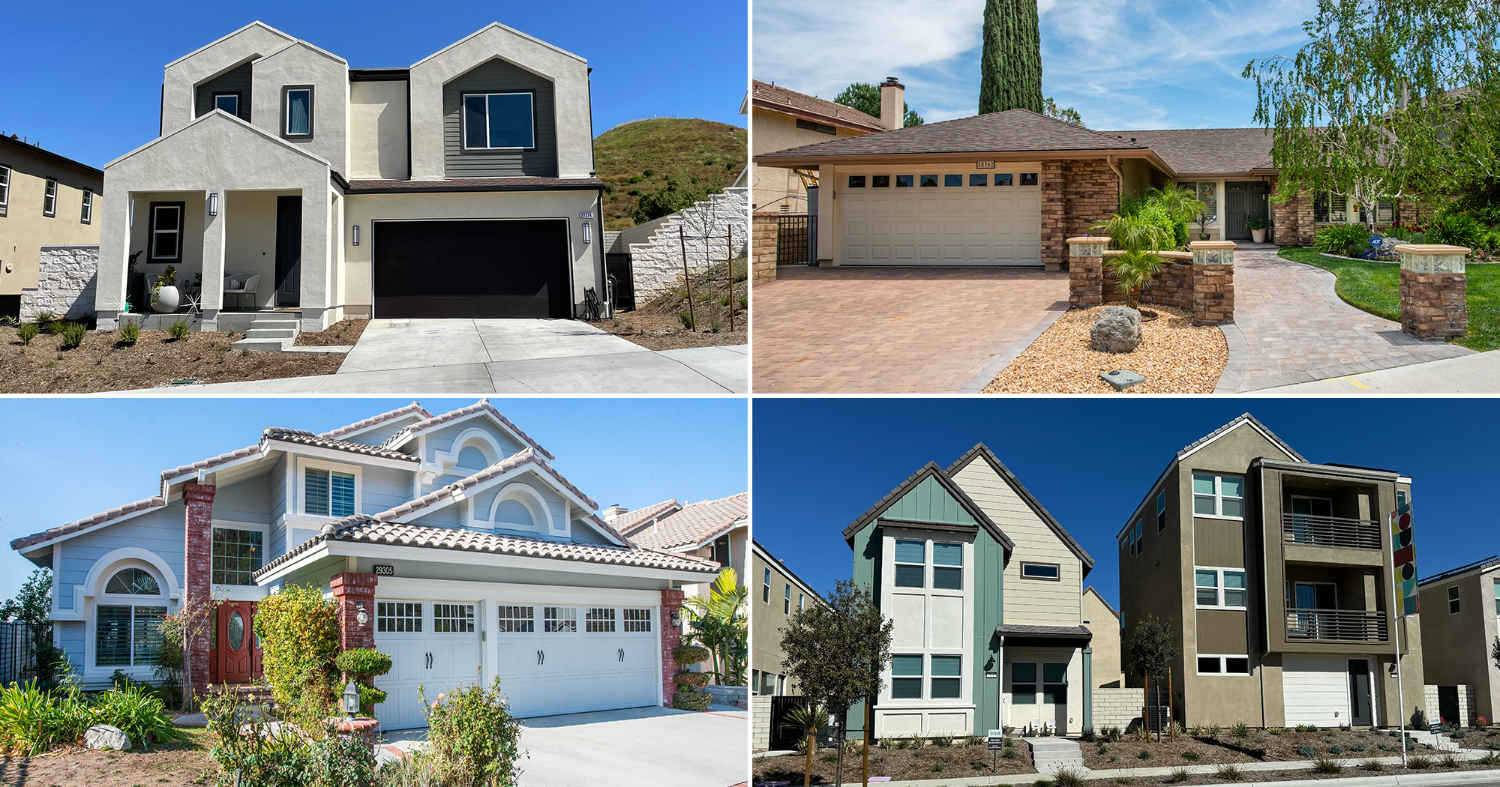
Source: gregoryrealestategroup.com
Maintenance and Ownership Tips
What is single family home detached also means you are the facility manager. Plan and pace your work.
Simple schedule
- Spring: gutters, roof check, and irrigation test.
- Summer: AC service and exterior paint touch-ups.
- Fall: furnace service and chimney sweep.
- Winter: pipe insulation and ice control.
Money tips
- Set aside 1 to 3 percent of the home’s value per year for upkeep. This rule of thumb helps.
- Build a repair fund for big items like a roof or HVAC.
- Keep records and permits for all work. Buyers value proof.
I track upkeep in a simple spreadsheet. It takes ten minutes a month and avoids big surprises.
Is A Detached Home Right For You?
To decide what is single family home detached for your life, test it against your goals.
Ask yourself
- Do you want more privacy and a yard you control?
- Are you ready for yard care and repairs?
- Is your budget set for taxes, insurance, and upkeep?
- Do schools, commute, or space needs point you here?
If you love quiet mornings on a porch and room to grow, it fits. If you want low care and fast travel, an attached home may be smarter right now.
Frequently Asked Questions of what is single family home detached
What does a single-family detached home mean in real estate?
It is a free-standing house on its own lot with no shared walls. It is built for one household and stands apart from other homes.
Is a single-family detached home the same as a townhouse?
No. A townhouse shares walls and often has an HOA that covers exteriors. A detached home has no shared walls and the owner handles the exterior.
Are single-family detached homes more expensive?
Often they cost more than attached options in the same area. You also take on more maintenance and utility costs.
Can a single-family detached home have an accessory dwelling unit (ADU)?
In many cities, yes, if zoning allows it. You will need permits and must follow size and setback rules.
What inspections matter most when buying a detached home?
Focus on the roof, foundation, plumbing, HVAC, and electrical. Also check drainage, grading, and any past water issues.
Conclusion
You came here asking what is single family home detached, and now you have a full, clear picture. It is a stand-alone home on its own lot, with privacy, space, and control. It also brings more upkeep and long-term planning.
Use this guide to weigh costs, zoning, and daily life. Walk homes with a checklist. Ask strong questions. If you’re ready, start touring, speak with a local agent and lender, and make a smart plan. Want more tips on what is single family home detached and how to buy with confidence? Subscribe, share your questions, or tell me what you want to learn next.