

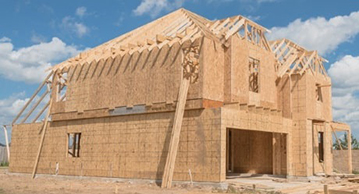
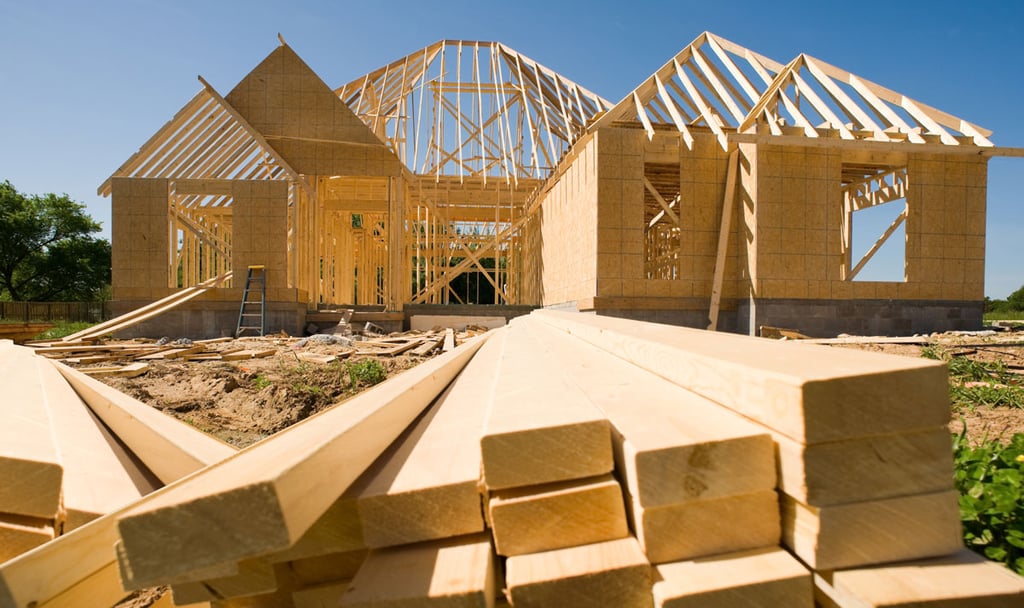
A stick built home is a house framed on-site with individual pieces of lumber.
If you want a clear, friendly guide to what is a stick built home, you’re in the right place. I’ve managed and inspected many site-built projects, and I’ll walk you through the process, costs, pros and cons, and real tips that save time and money. By the end, you’ll know exactly what to ask, what to avoid, and whether this path fits your goals.
Source: newoasishomes.com
What is a stick built home, exactly?
When people ask what is a stick built home, they’re talking about a house constructed on the lot, piece by piece, using wood studs and rafters. The framing crew raises walls on site, then adds sheathing, roofing, and all the systems. It follows local building codes and is inspected at key stages.
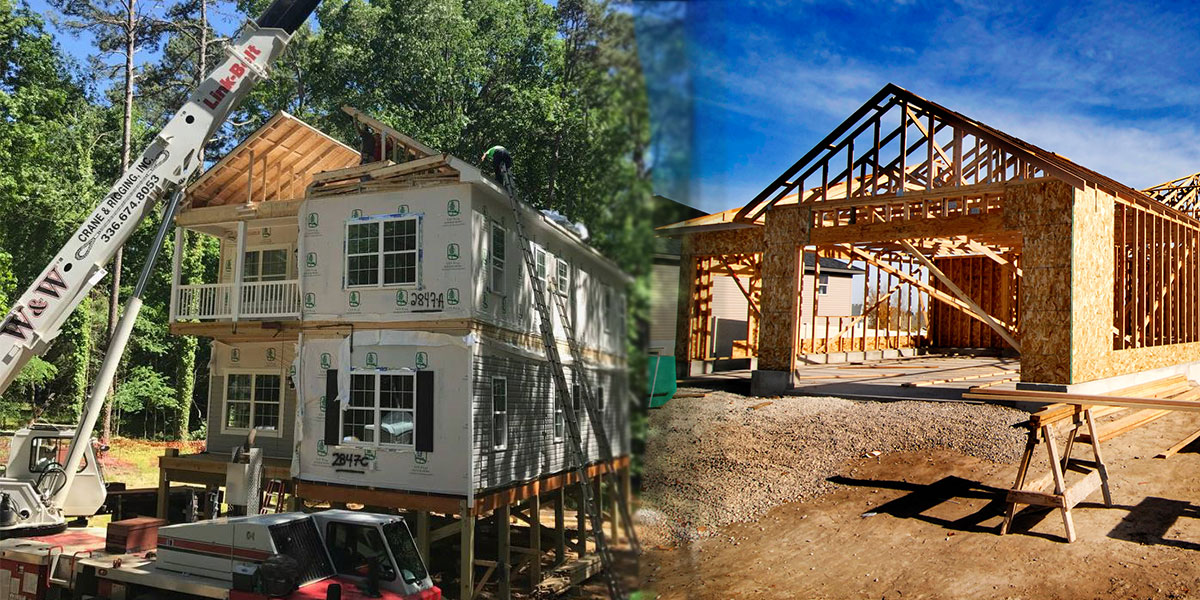
A stick built home is different from modular or manufactured homes. Modular homes are built in factory sections then joined on-site. Manufactured homes are built on a steel chassis under a federal code. Stick-built homes are site-built under local codes, which offers flexibility and broad lender acceptance.
Source: nccustommodulars.com
How a stick-built home comes together: step by step
If you’re trying to understand what is a stick built home in practical terms, think of a simple, ordered build process. Here is the typical flow I see on projects:
- Preconstruction planning Select a lot, finalize plans, pull permits, set budget.
- Site work and foundation Clear, grade, trench utilities, pour footings and slabs or build a crawlspace or basement.
- Framing Frame floors, walls, and roof with lumber; set trusses or rafters.
- Sheathing and dry-in Install wall and roof sheathing, housewrap, windows, and roofing to make it weather-tight.
- Rough-ins Run electrical, plumbing, and HVAC; install tubs and shower pans.
- Inspections and insulation Pass rough inspections; add insulation and air sealing.
- Drywall and interior Trim doors, install cabinets, and finish surfaces.
- Exterior finishes Add siding, masonry, paint, and gutters.
- Final systems and fixtures Set flooring, lighting, plumbing fixtures, and appliances.
- Final inspections and punch list Complete code inspections and fix final items before move-in.
On a smooth schedule, this takes 7 to 12 months. Weather, material delays, and change orders can add time.

Source: dvele.com
Stick-built vs modular vs manufactured homes
If you still wonder what is a stick built home compared to other paths, here are the key differences I share with clients:
- Location of build Stick-built is built fully on your lot. Modular is mostly factory-built and assembled on-site. Manufactured is factory-built on a permanent chassis.
- Codes Stick-built and modular follow local building codes. Manufactured follows a federal code.
- Financing and appraisal Stick-built and modular usually appraise like any site-built home. Manufactured can be more limited.
- Custom options Stick-built is the most flexible for design changes on the fly.
- Timeline Modular can be faster due to factory controls. Stick-built takes longer but offers more on-site control.
Choose the path that matches your budget, design goals, and timeline.

Source: seconarchitect.com
Pros and cons of stick-built homes
Homeowners who ask what is a stick built home usually want the bottom line. Here it is.
Pros:
- Maximum design freedom Change layouts, details, and materials during the build.
- Strong resale appeal Many buyers prefer site-built homes for style and neighborhood fit.
- Easy to finance and insure Lenders and insurers understand the process and codes.
- Local labor and economy Build with local trades who know the climate and codes.
Cons:
- Longer build time Weather and supply delays can slow work.
- More on-site risk Theft, damage, and change orders can raise costs.
- Requires close oversight You or your builder must coordinate many trades.
- Cost variability Prices move with local labor and lumber markets.
Source: nccustommodulars.com
Costs and budgeting for a stick-built home
A common follow-up to what is a stick built home is what it costs. Prices vary by region, design, labor, and finishes. As a broad range, many market-rate builds land between $150 and $300 per square foot, while high-end custom homes can exceed that.
Plan your budget with clear buckets:
- Land and site work Lot purchase, surveys, soil tests, clearing, grading, driveway, and utilities.
- Permits and fees Plan checks, impact fees, utility fees, and inspections.
- Foundation and framing Concrete, lumber, trusses, fasteners, and labor.
- Mechanical systems HVAC, plumbing, electrical, and low-voltage.
- Exterior envelope Windows, doors, siding, masonry, roofing, and waterproofing.
- Interiors Insulation, drywall, cabinets, countertops, tile, flooring, paint, and trim.
- Contingency and escalation A 10 to 15 percent cushion for surprises and price changes.
Pro tip: Lock long-lead items early and get written allowances for fixtures and finishes to avoid late-stage budget shocks.

Source: middletownhomeswv.com
Energy efficiency, codes, and materials that matter
Another part of what is a stick built home is how it meets modern energy codes. Today’s codes push for better insulation, air sealing, and efficient equipment. That means tighter homes with lower utility bills.
Key choices I often recommend:
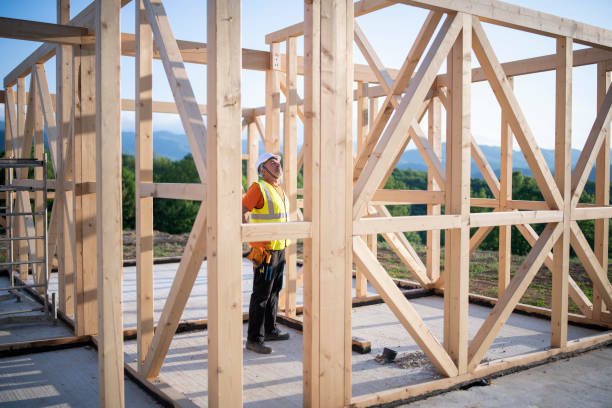
- Advanced framing Use 2×6 studs at 24 inches on center to allow more insulation with less lumber.
- Exterior continuous insulation Add a foam or mineral wool layer outside sheathing to reduce thermal bridging.
- Air sealing Spend time on tapes, gaskets, and sealants at penetrations and seams; aim for a low blower-door score.
- High-performance windows Choose low-e, double or triple pane windows sized for climate and orientation.
- Right-sized HVAC Use load calculations, sealed ducts, and heat pumps where they make sense.
Small upgrades here yield comfort, quiet rooms, and long-term savings.
Source: thefederalsavingsbank.com
Design flexibility and custom choices
Clients who ask what is a stick built home often care most about design freedom. Stick-built shines at custom layouts, vaulted ceilings, site-specific views, and unique finishes. You can fine-tune spaces as framing goes up.
Smart design moves:
- Keep structure simple Use aligned loads and regular spans to control costs.
- Plan storage early Frame niches, built-ins, and pantry shelves during rough carpentry.
- Think daylight First place windows for light and privacy, then plan electrical.
- Future-proof Add conduit, blocking for future grab bars, and rough-ins for solar or EV charging.
These choices boost daily comfort without major cost.
Source: newoasishomes.com
Timeline, permits, and inspections
A practical layer of what is a stick built home is the paperwork and pacing. You must pull permits, pass staged inspections, and coordinate crews.
Typical timeline beats:
- Prebuild 1 to 3 months for design, bids, and permits.
- Site and foundation 1 to 2 months depending on weather and soils.
- Framing 1 to 2 months for structure and dry-in.
- Rough-ins and insulation 1 to 2 months for trades and inspections.
- Finishes 2 to 3 months including cabinets, tile, and flooring.
Hold weekly site walks, confirm next steps, and keep a living schedule. Small delays compound fast.
Durability, maintenance, and resale value
Buyers who learn what is a stick built home also want to know how it holds up. With good detailing, these homes last generations. The key is controlling water, air, and UV.
Focus on:
- Drainage and flashing Lap it right and protect every opening.
- Venting and moisture Manage attic and crawlspace moisture; use dehumidification where needed.
- Exterior care Plan repaint and caulk cycles; clean gutters and maintain grade.
- Resale basics Document permits, inspections, and warranties; buyers value a paper trail.
Well-built, well-documented homes attract stronger offers.
Choosing a builder and avoiding mistakes
This is where what is a stick built home becomes what is a smart build. Your general contractor sets the tone, schedule, and quality.
What I look for:
- References and photos Speak with recent and older clients; check similar budgets and styles.
- Detailed bids Ask for specs by trade and allowances by line item.
- Transparent contracts Include scope, schedule, payment milestones, change-order process, and warranty terms.
- Communication rhythm Weekly updates with photos and three-week look-aheads.
Common mistakes to avoid:
- Starting without complete plans Leads to change orders and delays.
- Underfunding contingency Surprises happen; plan for them.
- Late selections Choose windows, doors, cabinets, and tile early to avoid long lead times.
A short story from the field: lessons learned
Years ago, a client came to me asking what is a stick built home and why their last project went off the rails. The issue was late changes to window sizes and a missed lead time on cabinets. Framing paused, trades stacked up, and costs rose.
We fixed it with a decision freeze after framing, a weekly selection checklist, and a hard rule: no change orders without impact shown in writing. The next home finished two months faster with fewer surprises. Clear plans and steady choices win the day.
Frequently Asked Questions of what is a stick built home
What is a stick built home in simple terms?
It’s a house built on-site with wood framing installed piece by piece. Crews assemble walls, floors, and the roof directly on your lot.
How is a stick-built home different from modular?
A modular home is built in sections at a factory, then assembled on-site. A stick-built home is framed entirely on the lot, which allows more custom changes.
Is a stick-built home better for resale?
Often yes, because buyers recognize the build type and local codes. Appraisers also have many comps for site-built homes.
How long does a stick-built home take to build?
Most take 7 to 12 months depending on design, weather, and labor. Complex custom details can add time.
Is a stick-built home more expensive than modular?
It can be, due to on-site labor and weather delays. But smart design and early selections can keep costs tight.
What codes apply to a stick-built home?
Local building and energy codes apply, along with inspections at foundation, framing, rough-ins, and final. Your builder should manage permits and coordinate with inspectors.
Can a stick-built home be energy efficient?
Yes, with good air sealing, insulation, and right-sized HVAC. Many beat code by using continuous exterior insulation and quality windows.
Conclusion
You came here to understand what is a stick built home, and now you know how it’s built, what it costs, and how to manage the process. Site-built homes offer freedom, strong resale, and the chance to shape every detail, step by step. With clear plans, early selections, and a solid builder, you can turn a bare lot into the home you pictured.
If you’re ready, start by listing your must-haves, interviewing builders, and setting a realistic budget with a contingency. Want more help? Subscribe for checklists, budget templates, and builder interview questions, or leave a comment with your situation and goals.